
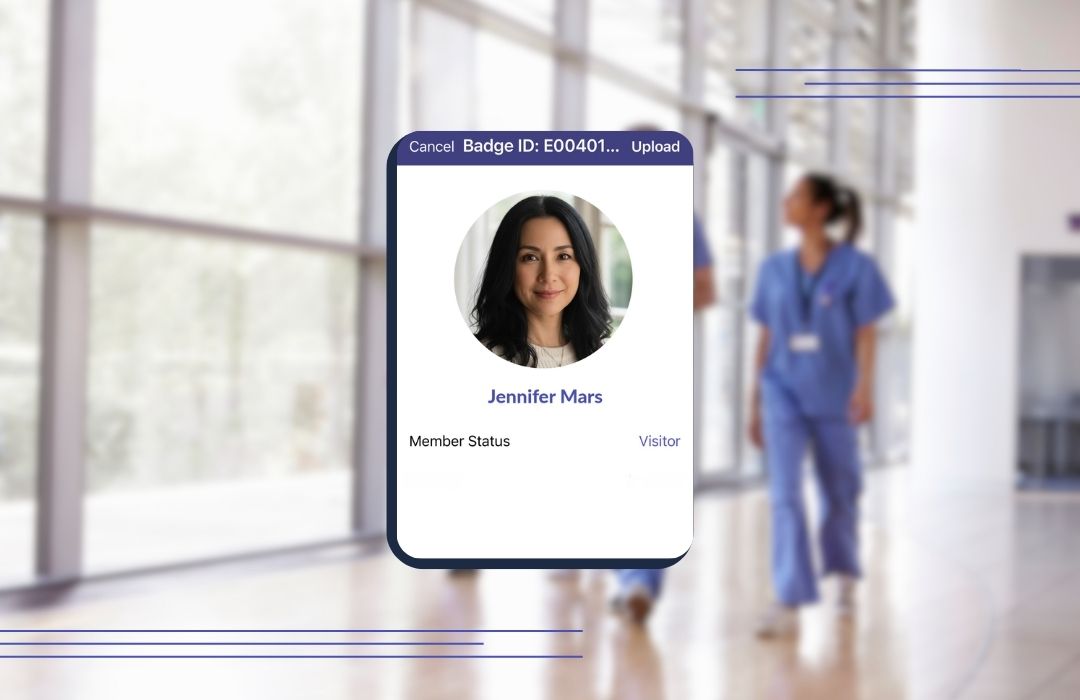
7 Best Visitor Management Systems for Healthcare
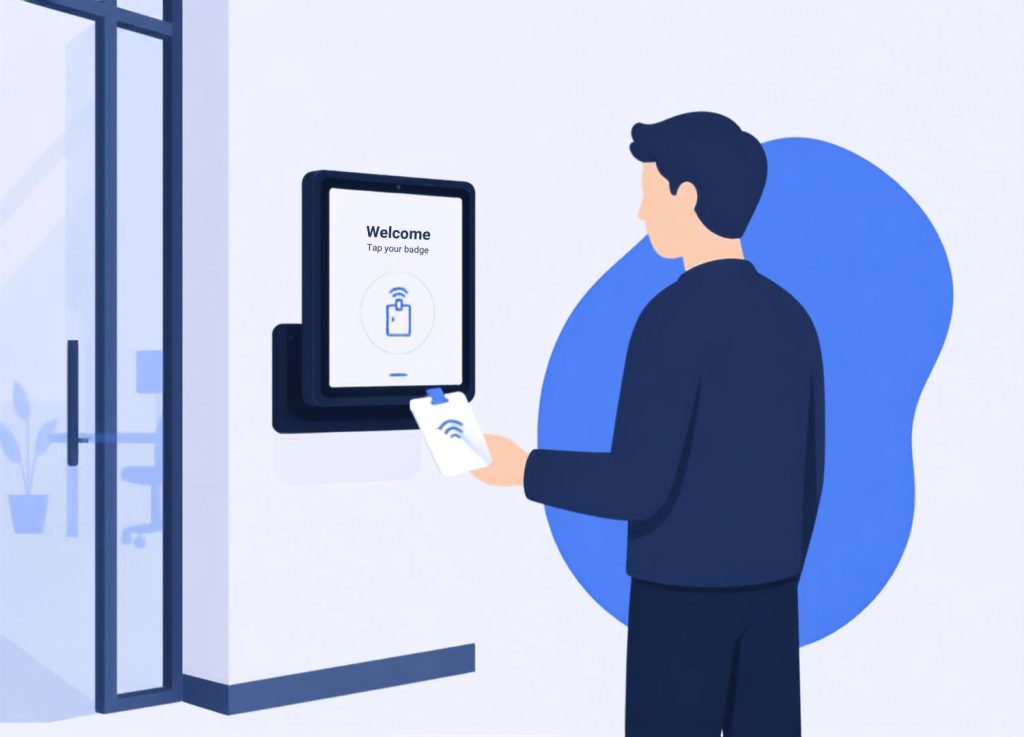
Table of Contents
Disclosure: This post is published by Cloud-in-Hand® Software Solutions and includes our own product, Stratus-io, in the comparison. We’ve aimed to be fair across every entry, based on publicly available vendor information.
Hospitals see all types of people coming through their doors every day. Patients, family members, nurses, delivery drivers, and emergency responders may all pass through the same entrance. From young children visiting a loved one to older adults arriving for an appointment, a hospital reception desk can see just about everyone.
With so many different people moving throughout a facility, keeping track of who is on-site can quickly become difficult. As a result, many healthcare organizations have turned to visitor management systems to help manage check-ins, screen visitors, and maintain a more accurate record of who is in the facility.
Below, we’ve put together a list of the seven best visitor management systems for healthcare, along with what each system does well and the types of healthcare organizations it may be best suited for.
Key Takeaways
The right healthcare visitor management system must do more than speed up check-in. It should protect visitor records, control access to restricted units, print badges, and help staff account for everyone during an emergency.
Healthcare visitor logs also create privacy risks. A visitor going to an oncology unit, for example, may reveal sensitive information without showing a medical record.
What to Look for in Healthcare Visitor Management Software
When evaluating healthcare visitor management software, look for features that can help with:
- Contactless Check-in: Options such as QR codes, pre-registration, and badge taps can reduce shared touchpoints, helping limit the spread of germs while also making the check-in process faster.
- Visitor screening: Screening tools and restricted-unit controls can help facilities manage who is allowed into specific areas.
- Badge printing: Badges can display visitor details and expiration times, making it easier for staff to identify visitors.
- Emergency accountability: Real-time occupancy and evacuation reporting can help staff determine who is still in the facility during an emergency.
- Data management: Retention and purge controls can help organizations manage visitor information over time.
- Offline access: Offline check-in can keep visitor records moving even when there is a network outage.
- Integrations: Connections with access control and directory systems can help bring visitor information into existing workflows.
For this list, we evaluated seven visitor management systems based on their healthcare features, security capabilities, emergency accountability, ease of use, integrations, and published pricing.
7 Best Visitor Management Systems for Healthcare
Stratus-io is a visitor management software that combines visitor check-in, attendance, and emergency headcount in one system. It runs on iPhone, iPad, Android, and Windows devices, giving organizations flexibility in how and where the system is used.
The platform can also read a variety of RFID and NFC credentials, including PROX, MIFARE, iClass, and more. Visitor badges can be printed on site, giving staff another way to identify visitors once they have checked in.
When it comes to check-in, Stratus-io offers several options depending on how a facility manages visitors. These include driver’s license scanning, manual desk entry, SMS confirmation, badge taps, mobile check-in, and kiosk mode. A National Offender Database check is also available for organizations that need an additional screening option.
Best For
Healthcare organizations that are looking for visitor management, attendance, and emergency accountability in a single system.
Limitations
Stratus-io does not currently offer a native HL7 connection to major EHR systems such as Epic, Cerner, or Meditech. Pricing is also custom, although a 30-day free trial is available.
iLobby’s visitor management product, VisitorOS, is now part of FacilityOS, which lists healthcare as one of its industries. The platform supports patient family pre-registration, health screening questionnaires, restricted-unit access controls, visit history, and touchless kiosk check-in.
Screening features include ID scanning, photo capture, approve-or-deny decisions, watchlists, and badge printing. FacilityOS also states that its healthcare platform supports compliance with Joint Commission, CMS, OSHA, HIPAA, and state health department requirements.
Best For
Healthcare organizations where compliance documentation and audit readiness are priorities.
Limitations
The system is primarily kiosk-focused, and public materials do not provide detailed kiosk hardware specifications. Its modular pricing may also increase costs for hospitals that need additional features such as emergency mustering and contractor management.
HID Visitor Manager connects visitor management with existing identity and access control systems, making it relevant for larger healthcare organizations with more complex IT environments. HID states that its healthcare solutions can connect to Epic, Cerner, Meditech, and Allscripts via HL7-based interfaces, and provide access control, background checks, and watchlists.
Other features include self-service registration, pre-registration, kiosk and web check-in, visitor logs, badge printing, guest Wi-Fi, and emergency management.
Hospitals already using HID credentials may be able to extend the same identity system to visitors, reducing the need for separate badge systems. HID also supports configurable visitation policies and watchlist alerts to help manage restricted areas and special access rules.
Best For
Large health systems where EHR integration is a must-have.
Limitations
HID does not publish pricing, so buyers should expect custom pricing. HL7 and access-control integrations may also require additional support from IT and clinical informatics teams.
Envoy is known for a streamlined front-desk experience. Its visitor platform supports visitor logs, access management, custom sign-in flows, pre-registration, and touchless check-in.
Visitors can use QR codes and complete forms before arriving, which can help reduce lobby lines and shared touchpoints. Envoy also provides security and data retention controls, including SOC 2 Type II certification and support for HIPAA. The company states that certain screening data is deleted within 24 hours and that saved sign-in data can be purged upon request.
Best For
Outpatient networks and medical offices that prioritize a streamlined check-in experience.
Limitations
Envoy is not specifically designed around healthcare workflows. Unit-specific visitation rules, custody orders, and clinical escort requirements may require additional configuration. Per-location pricing can also add up across larger hospital campuses.
The Receptionist for iPad is a straightforward visitor management system with site-based pricing. Its plans include unlimited sign-ins and connected iPads per site, with Core starting at $630 per year. Enhanced and Pro plans cost $1,260 and $1,890 per year, while Executive pricing is custom.
Core includes badge printing, safety, and evacuation features. Enhanced adds pre-visit registration, ID scanning, time and attendance, and unlimited SMS. The platform also supports smartphone sign-in and integrations with Azure AD, Google Workspace, Microsoft Teams, Slack, webhooks, and an API.
Best For
Outpatient clinics, dental practices, and other smaller healthcare facilities.
Limitations
The system is iPad-based and does not support RFID or NFC staff badges. Its healthcare-specific compliance information is also less detailed than iLobby or HID. Ask about a business associate agreement before signing.
Sign In App is a visitor and workplace sign-in platform with a growing North American presence. Its pricing is published by site, with Core at £415 per year, Enhanced at £835, and Pro at £1,255. An Executive tier is also available for advanced integration needs.
Core includes visitor management and safety and evacuation tools, while Enhanced adds pre-registration, ID scanning, space booking, time and attendance, and unlimited SMS. The platform also supports sign-in through iOS, Android, and web.
Best For
Care facilities and healthcare organizations that want visitor management and evacuation tools in one system.
Limitations
Sign In App states that its platform is being combined with SwipedOn, so buyers should confirm the migration timeline before signing a long-term contract. Its kiosk hardware is iPad-based, and U.S. healthcare organizations should account for pricing in pounds.
Visitly is a smaller visitor management provider with a focus on security and compliance. Its platform includes single sign-on with MFA, an immutable audit log, and SOC 2 and ISO 27001 certification.
Visitly states that a HIPAA business associate agreement is available at the Enterprise tier for covered-entity deployments. Visitors can check in through an iPad kiosk, web check-in, or touchless QR codes.
Best For
Smaller health systems that need strong security documentation and a HIPAA BAA.
Limitations
Visitly does not list Android kiosk support, so organizations using Android tablets may need new hardware. It also has fewer healthcare reference customers than larger platforms such as HID and iLobby.
How to Choose a Healthcare Visitor Management System
When choosing a healthcare visitor management system, think about what your facility looks like and your biggest security or operational needs. At a glance, here’s what each system may be best suited for:
Stratus-io
Choose Stratus-io if your facility is focused on emergency accountability, badge support, and flexible hardware.
iLobby
Choose iLobby if healthcare compliance, visitor screening, and audit readiness are top priorities.
HID
Choose HID if EHR integration and connecting visitor management with existing identity systems are essential.
Envoy
Choose Envoy if you’re focused on an easy, fast visitor experience and strong data controls.
The Receptionist
Choose The Receptionist if you’re looking for predictable pricing and a straightforward solution for clinics or outpatient locations.
Sign In App
Choose Sign In App if you want visitor management and evacuation tools in one system.
Visitly
Visitly Choose Visitly if security certifications and a HIPAA BAA are priorities.
Acute-care hospitals should generally start by comparing Stratus-io, iLobby, and HID. Outpatient clinics and medical offices may find The Receptionist, Envoy, Sign In App, or Visitly better suited to their needs.

Cloud-in-Hand® Solutions Team
This blog reflects the expertise of the Cloud-in-Hand® Solutions Team, with over 100 years of combined experience in hardware, software, and firmware development. Since founding Solutions Consulting in 1992 — now known as Serialio LTD — the Solutions Team has designed and developed many innovative solutions. Cloud-in-Hand® Stratus-io Time and Attendance helps organizations like Apple, Google, Toshiba, LinkedIn, Salesforce, and many more.
Cloud-In-Hand® Solution Team
This blog reflects the expertise of the Cloud-in-Hand® Solutions Team, with over 100 years of combined experience in hardware, software, and firmware development. Since founding Solutions Consulting in 1992 — now known as Serialio LTD — the Solutions Team has designed and developed many innovative solutions. Cloud-in-Hand® Stratus-io Time and Attendance helps organizations like Apple, Google, Toshiba, LinkedIn, Salesforce, and many more.
Frequently Asked Questions
Is any visitor management system HIPAA compliant?
No. A product is not automatically HIPAA compliant. Healthcare organizations remain responsible for how they collect, use, store, and delete visitor information.
Look for a signed business associate agreement, strong access controls, audit logs, and configurable retention policies.
How long should a hospital keep visitor records?
Keep visitor records only as long as required by your security, legal, and operational policies. A system should help enforce those retention rules.
Retention should also vary by visitor type when needed. Avoid keeping every record forever.
What does healthcare visitor management software cost?
Published pricing ranges from free plans to several thousand dollars per location each year.
FacilityOS lists VisitorOS from $225 per month. Envoy Premium starts at $362 per location per month when billed annually. The Receptionist starts at $630 per site per year, while Visitly starts at $1,000 per location per year.
HID and Stratus-io use custom pricing.
Learn About Stratus-io

March 13, 2025
August 10, 2023